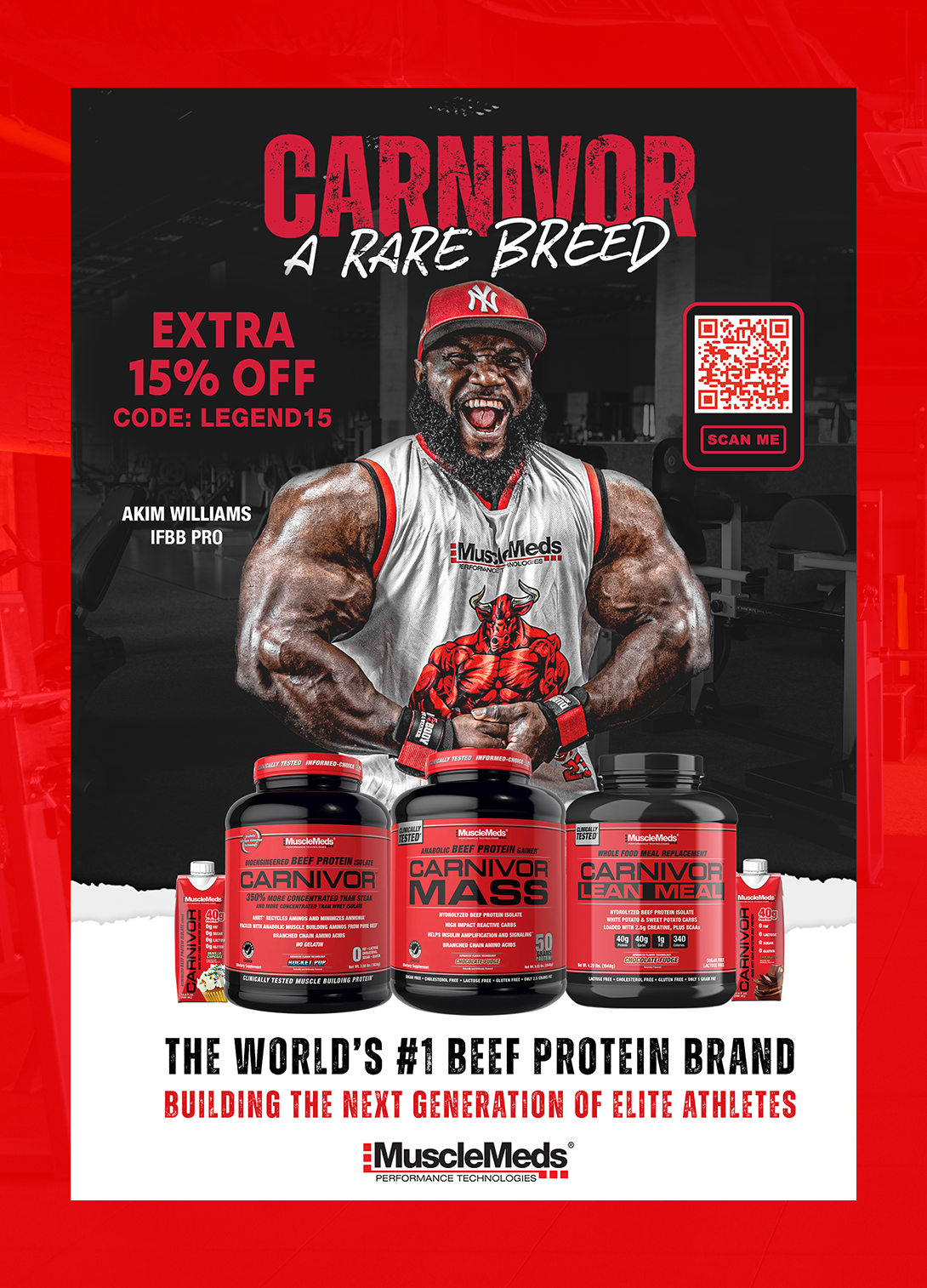
Design Foodie brand identity and digital party kit product system
Design Foodie

Party kits for fourteen fast-food brands. I own it, and it still sells while I sleep.

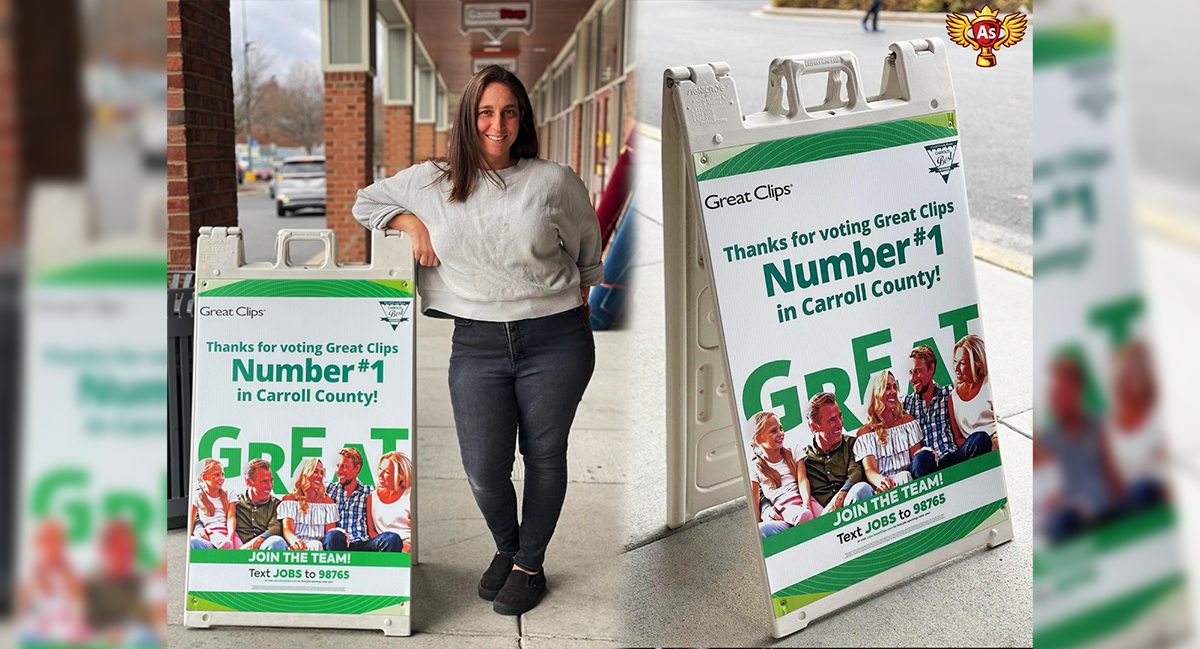
Sports Illustrated Disc Jam packaging dieline and colourway spec sheet
Sakar International

Ten Sports Illustrated and Sonic toy programs, taken from dieline to Walmart shelf.

Your skill · Our structure

Your skill

The thing you spent years getting good at. Cooking, coaching, building, cutting hair, keeping books. It is real, and the customers who find you tend to stay.

Our structure

Everything around it. Who it is for, what it is called, how it looks, and the short set of rules that keep it consistent after we are gone — so the skill reaches people who have not met you yet.

How we work

Three stages. You can stop after any of them.

Decide, build, live — paid one stage at a time, so you always know what you are paying for and what you walk away with.

Lately

Watch the work

Teardowns, rebuilds and the decisions behind them.

Own it. Build it. Steward it.

There are three ways to stand next to a brand. You own it, you build it for someone else, or you steward one that will never be yours. Most designers only ever hold one of those positions, so they never learn what a brand costs to run after the file ships. I have held all three. The work I take now is the first two — someone with real expertise and nothing built around it yet.

“Affection for a brand and the ability to celebrate with it are two different things, and nobody had connected them.”

On starting Design Foodie
Free · takes four minutes

Why customers pick someone else.

It usually comes down to one of three things: not enough people know you exist, they cannot tell what you do, or you do not look like a safe bet yet. Answer twelve quick questions and find out which one is costing you the most — and what to fix first.

Take the free check →
See latest projects
↓

Your skill · Our structure

Have something you want built?

Tell me what it is and I will tell you which stage you need — or that you do not need one yet. The button opens an email with four short questions already in it.

A brand is a system or it isn't a brand.

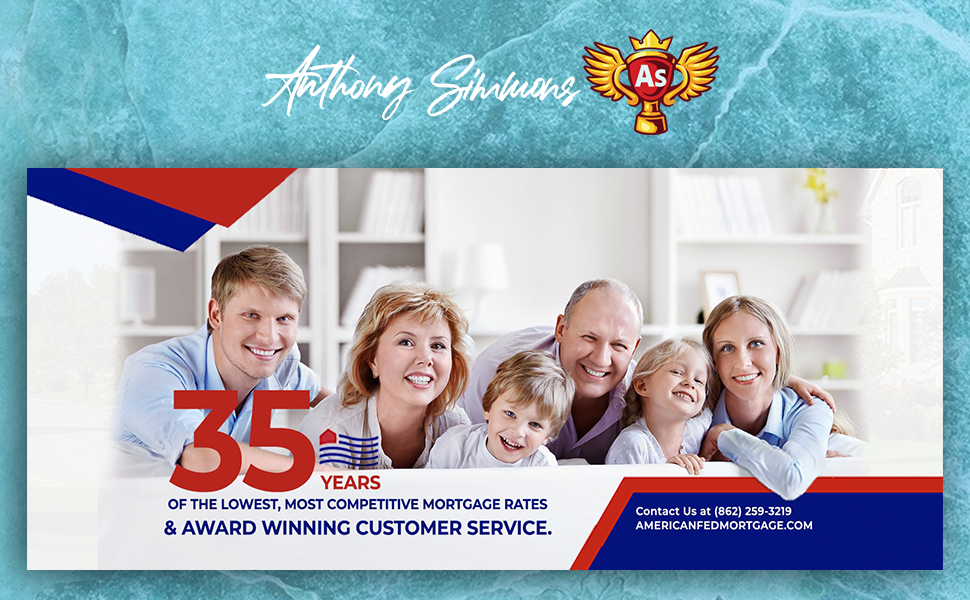
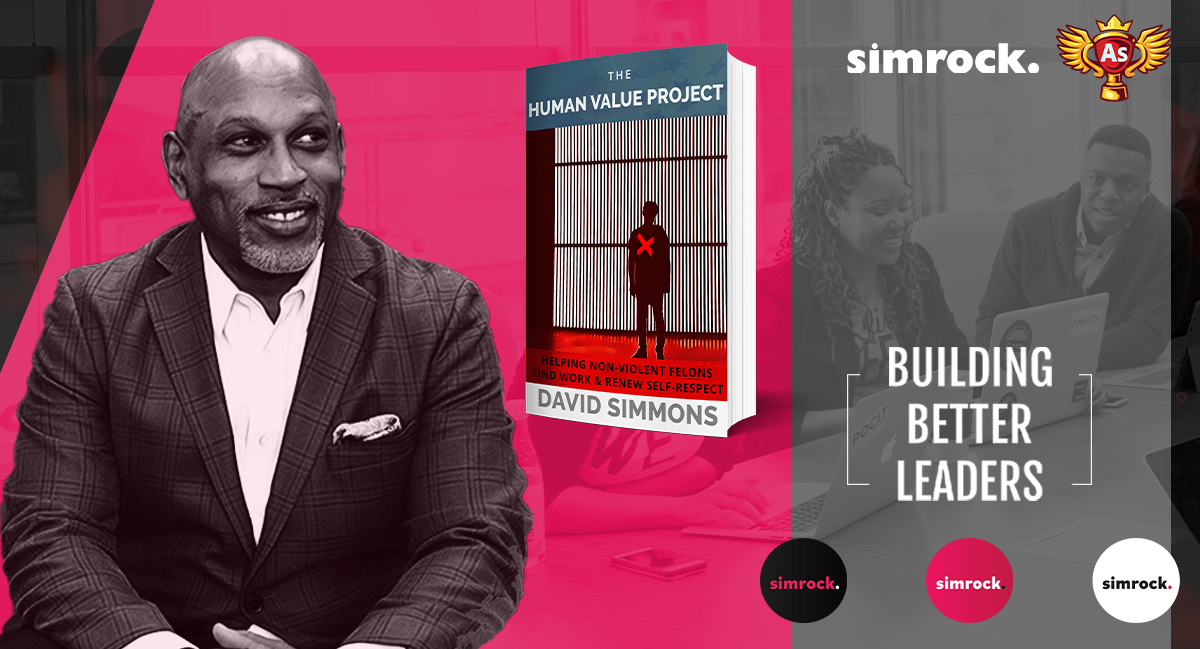
Identity is the easy part. The system is what decides whether the fortieth thing still looks like the first — the rules, the master files, the hierarchy that holds when someone else applies it. A book that became five sub-brands and a trademarked framework. Three supplement labels that shared a design team but not a customer. Two apparel brands living inside somebody else's product grid. Different categories, same test: does it survive being handed to a factory, a retailer, or a freelancer who has never met you?

“A system you have to police isn't a system. It's a preference.”

On brand systems