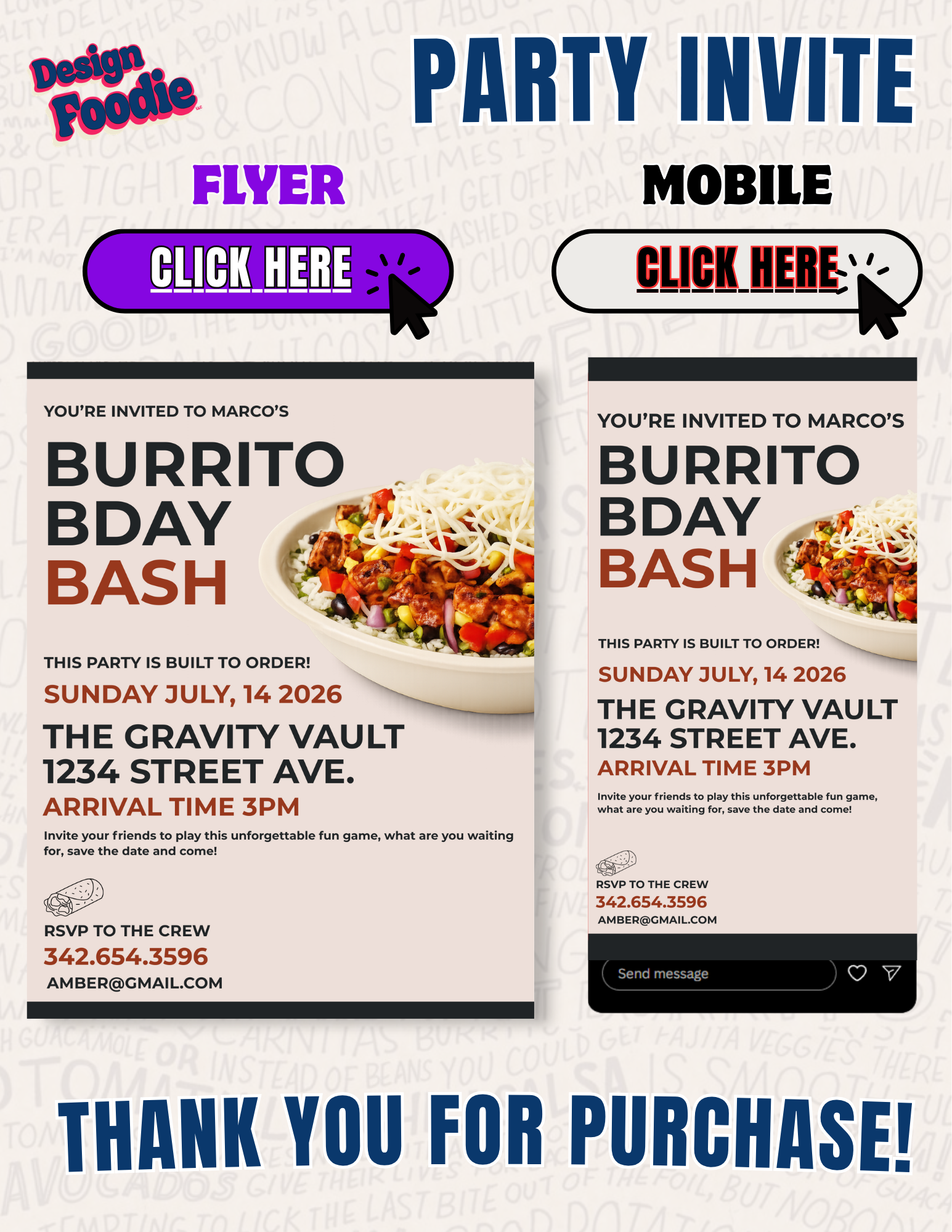
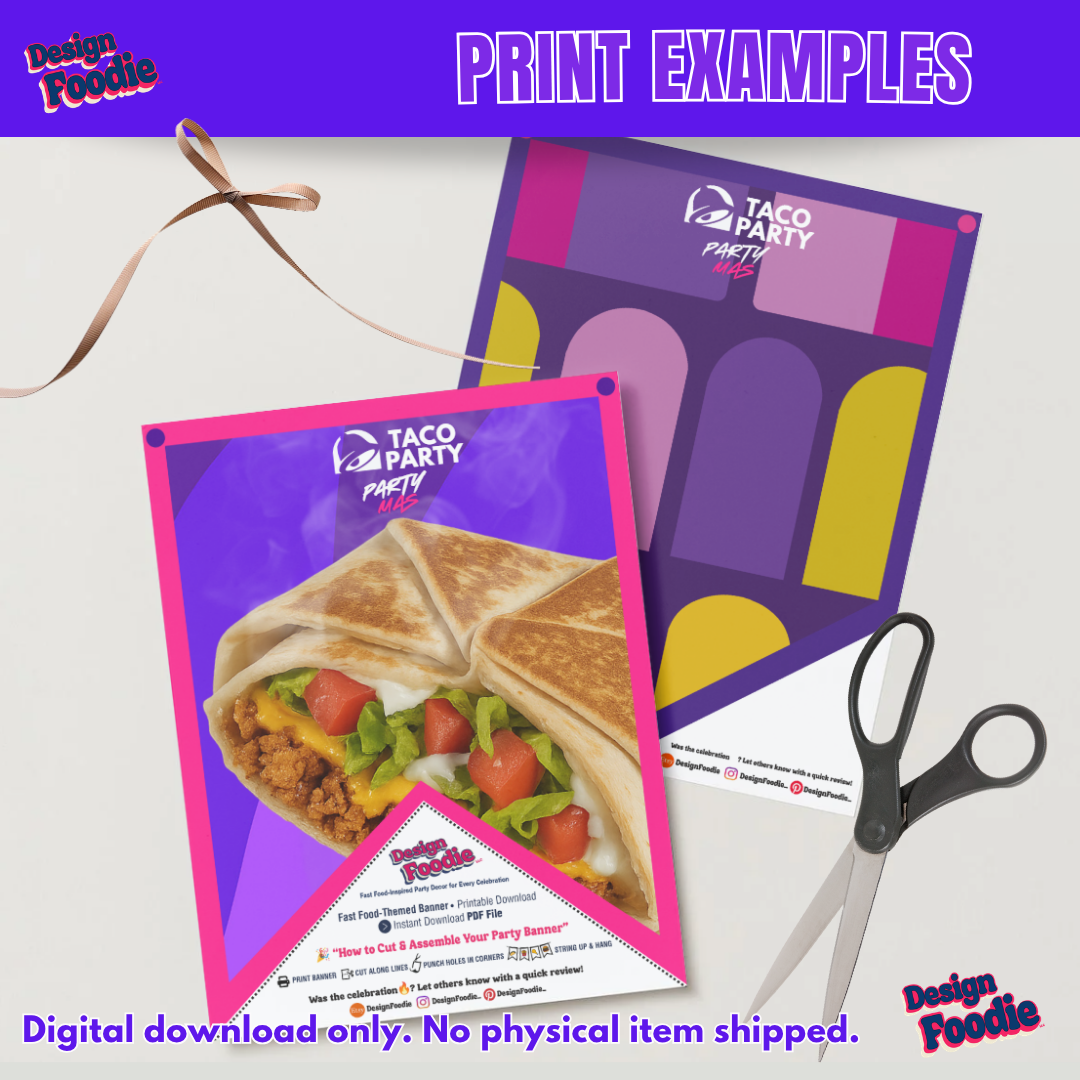
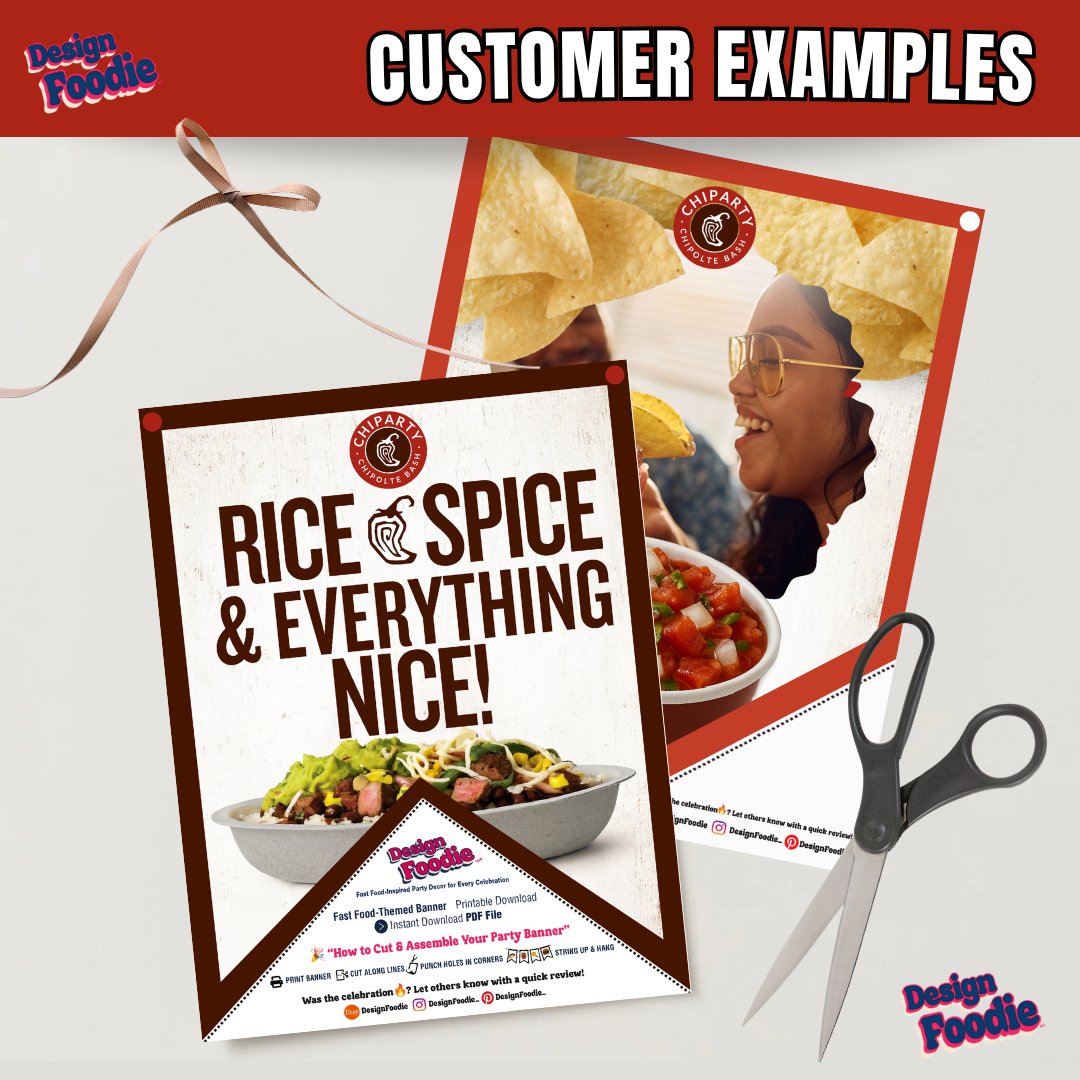
Party kits for fourteen fast-food brands. I own it, and it still sells while I sleep.

.jpg)


What they asked. Three different customers asked the same thing in one week: could they edit it themselves? Not a complaint and not a feature request — just people telling me, without meaning to, that what they wanted was not a finished file. It was control over the name, the date and the details.
What changed. I tested it on the best seller first, so that if it failed the failure would be obvious and cheap. It did not fail. Then I went back and rebuilt every listing in the catalogue as an editable template rather than a fixed download — seventy-four products, one at a time.
What it produced. Sales on the tested product rose roughly five to ten times, and the change moved the whole shop. It also changed what the business sells: not artwork any more, but a thing the customer finishes themselves. The customers found that, not me — my job was to notice it the third time it was said, and to act on it.
Parents throwing a themed birthday for a kid who loves one specific brand — Chipotle, Taco Bell, Raising Cane's. High intent, real budget, and nothing built for them.
My daughter loves Chipotle. When her birthday came round I went looking for a Chipotle party kit and found nothing, so I made her one myself — a CHIPARTY set with flags reading Nacho Average 12 Year Old. Then I looked wider: McDonald's, KFC, Panda Express. Some of the most loved consumer brands in the country and not one sells a way to celebrate with it.
So I built the brand around that gap, then a product system underneath it — because seventy-four products is not seventy-four design projects. It only works if the fortieth ships faster than the tenth.
The decision that changed the business came from customers, not from me. Three people asked the same thing in one week: could they edit it themselves? I tested it on the best seller so failure would be obvious, then rebuilt every listing as an editable template. That changed what the business sells — not artwork any more, but something the customer finishes themselves.
My daughter loves Chipotle. When her birthday came round I went looking for a Chipotle party kit and found nothing. Then I looked wider — McDonald's, KFC, Panda Express. Some of the most loved consumer brands in the country and not one sells a way to celebrate with it.
The gap was not a design gap, it was a market one. Affection for a brand and the ability to celebrate with it are two different things, and nobody had connected them. Before anything was drawn I settled who it was for, what it would cost, and what it would never be.
Result: A clear position — party kits for people who love one specific brand — and a price point that works as an instant digital download.
The name, the wordmark, the voice and the photography direction came first. Then a product system underneath it, because seventy-four products is not seventy-four design projects — it only works if the fortieth ships faster than the tenth.
Three master layouts carry the whole catalogue: a question card, a fill-in sheet and a game board. Everything else is those three with the content swapped. Built as vector so nothing blurs at any size, exported as PDF, then rebuilt in Canva with editable text sitting on top — sharp underneath, simple to change.
The thing that moved the work from good to sellable came from watching people use it. A game with fifteen questions is a worksheet. The same game with a result at the bottom — mostly left, mostly right, mixed — is something people photograph and send to each other. One line of copy, and the product stopped being a file and started being a moment.
Result: A system where a complete new kit ships in an afternoon, at the same quality as the first one.
The shop went live with the full catalogue, listing photography, SEO and assembly instructions built in. Then the name of the thing changed. It had been listed as an editable banner — a file. Relisted as a party kit, it was a thing you throw, and that single change in what it was called moved it out of competing with three-dollar templates.
The other decision came from customers, not from me. Three people asked the same thing in one week: could they edit it themselves? I tested it on the best seller so failure would be obvious, saw sales on that product rise five to ten times, then rebuilt every listing as an editable template.
Result: 350+ sales at 4.9 stars across 27 reviews, and Etsy Star Seller status on consistent delivery and response speed.
Listing photography direction and product mockups for 74 individual products
Etsy SEO — titles, tags and descriptions written to be found, not just read
Licensed-brand handling: using real brands legibly without misrepresenting them
Print specification written for a customer with a home printer, not a print shop
Assembly instructions on every product, so support questions never arrive
Review response templates that keep the voice consistent at volume
Marcia | 22 Jun 2026 | 5 | Put it on a T-shirt | I put this on a T-shirt for my son and he loved it. | Raising Cane's Custom Logo
“Affection for a brand and the ability to celebrate with it are two different things, and nobody had connected them.”